Why I don’t argue about masculinity online anymore
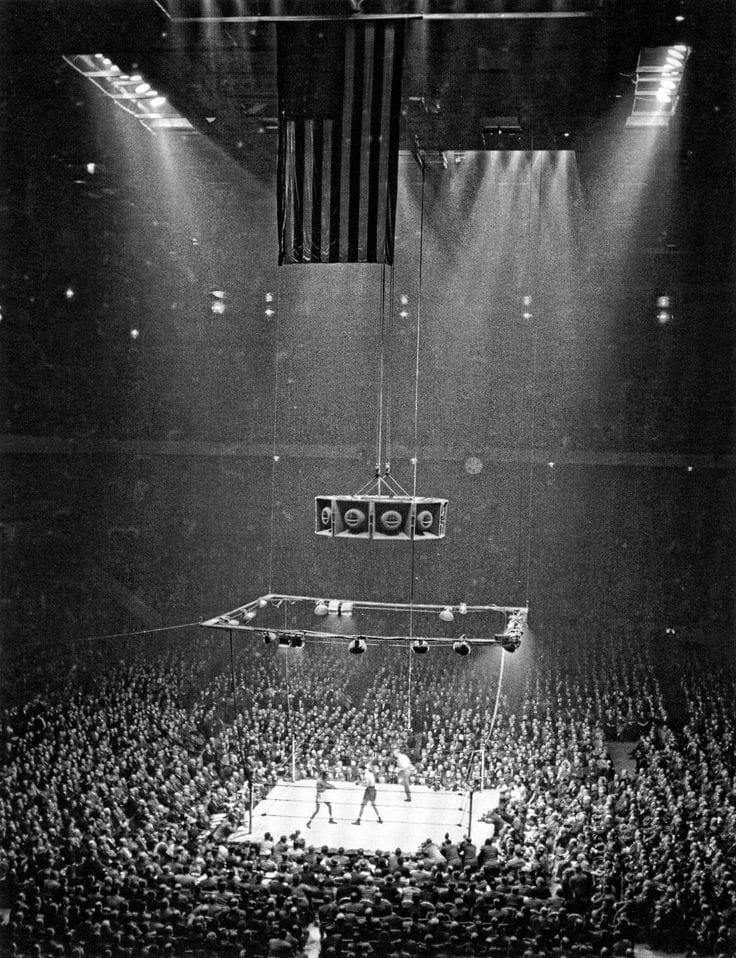
There was a time when I believed these conversations mattered.
Men debating masculinity online. Arguments about strength, responsibility, leadership, freedom, identity. Everyone seemed certain that the discussion itself was important.
For a while, I participated in it.
Not aggressively, but with curiosity. I watched the arguments unfold. I listened to the positions people defended. I noticed how quickly conversations about men became loud, emotional, and strangely repetitive.
Eventually something became obvious. Almost nobody in these debates is actually talking about masculinity.
They are talking about identity. One group is defending the idea of masculinity as power. Another group is trying to dismantle it entirely.
Both sides speak as if the concept itself is the battlefield. But masculinity is not a concept. It is a biological and psychological reality that expresses itself through behaviour.
And behaviour cannot be resolved through debate. A man does not become stronger because he wins an argument about strength. He becomes stronger because his nervous system learns to carry more pressure without collapsing.
This is where the online conversation begins to feel hollow. Most debates about masculinity revolve around language, ideology, or morality. Very few revolve around capacity.
No one asks the questions that actually matter.
How much pressure can a man hold without losing clarity?
How regulated is his nervous system when life becomes difficult?
Can he remain steady when the people around him are emotional?
Can he carry responsibility without becoming resentful?
Can he stay present with his family when work becomes heavy?
These questions cannot be answered through discourse. They can only be answered through life.
That is why arguing about masculinity online eventually started to feel strange to me. It is similar to watching people debate fitness while sitting in a chair.
The conversation may be intelligent. But it does not change the body.
Masculinity develops in places where the body and the nervous system are actually tested...
Under responsibility.
Inside relationships.
In work that carries real consequences.
In the quiet pressure of fatherhood.
In conflict.
In leadership.
In failure.
These environments shape a man in ways that language never will. Online debates rarely reach that level. Instead they orbit around identity and validation.
People defend positions because those positions allow them to belong to a tribe.
Masculinity becomes a flag. Not a practice.
The strange result is that both sides of the argument begin to resemble each other.
Both speak loudly. Both believe they are defending something important. And both remain largely untouched by the realities that actually shape men.
Life does not ask men what ideology they subscribe to. Life simply places weight in their hands.
A child is born.
A business collapses.
A relationship enters a difficult season.
A body becomes tired.
A responsibility cannot be avoided.
In those moments, the debates disappear.
What remains is the man’s capacity.
Can he stay regulated?
Can he think clearly?
Can he remain open without becoming weak?
Can he remain firm without becoming rigid?
These are not philosophical questions. They are physiological ones. And they are answered in real time.
This is why I stopped arguing about masculinity online.
Not because the topic is unimportant. But because the arena is wrong.
Masculinity does not develop in arguments. It develops in contact with reality.
And reality has never been particularly interested in our opinions.